

The seed idea
1963. $150.
It began with a veteran, his wife and two presidents from opposite parties.
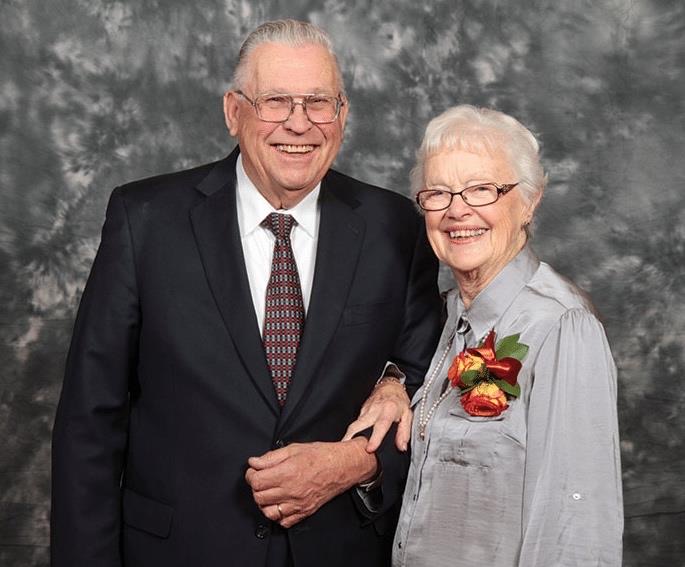
In 1963 Jim Weinel, a military veteran, and his wife Sharon turned a $150 investment into Gemini, a world leader in signs and cast-bronze monuments. Their success led Jim to ask what had made it possible, and what makes America work.
In the mid-1990s, grateful to his country and community, he had an idea: show how opposing views can work together. He would honor two presidents side by side: Franklin Delano Roosevelt, who led the nation through the Great Depression and World War II, and Ronald Reagan, who led it through the Cold War and economic crisis.
Jim and Sharon have since passed away. Their seed idea has grown into the American Unity National Memorial, with a vision to unify all Americans.
The site
The land comes first.
The memorial is envisioned for a place of natural grandeur, where land, sky and quiet invite reflection.
Architecture and landscape
Built to belong to the land.
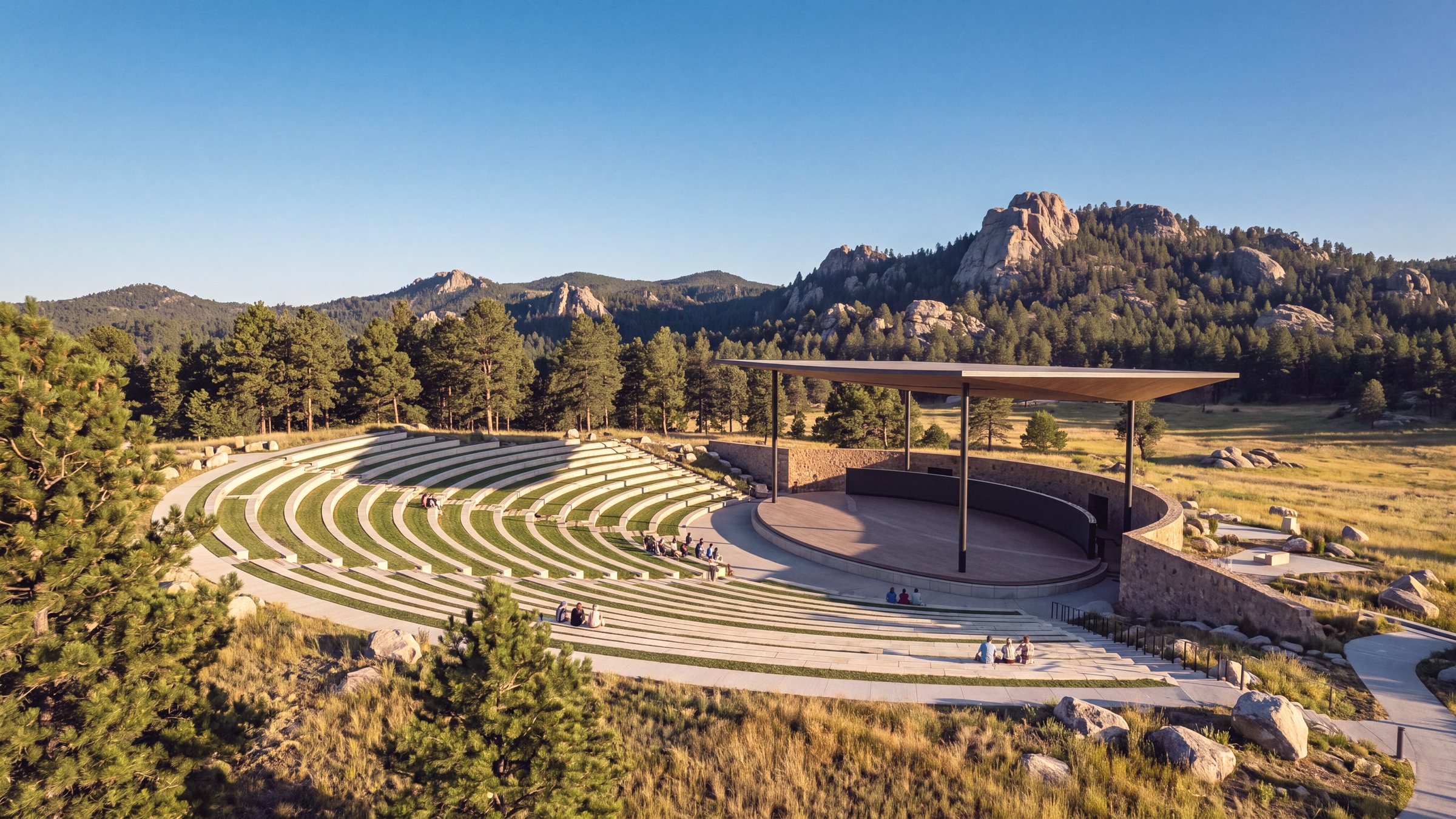
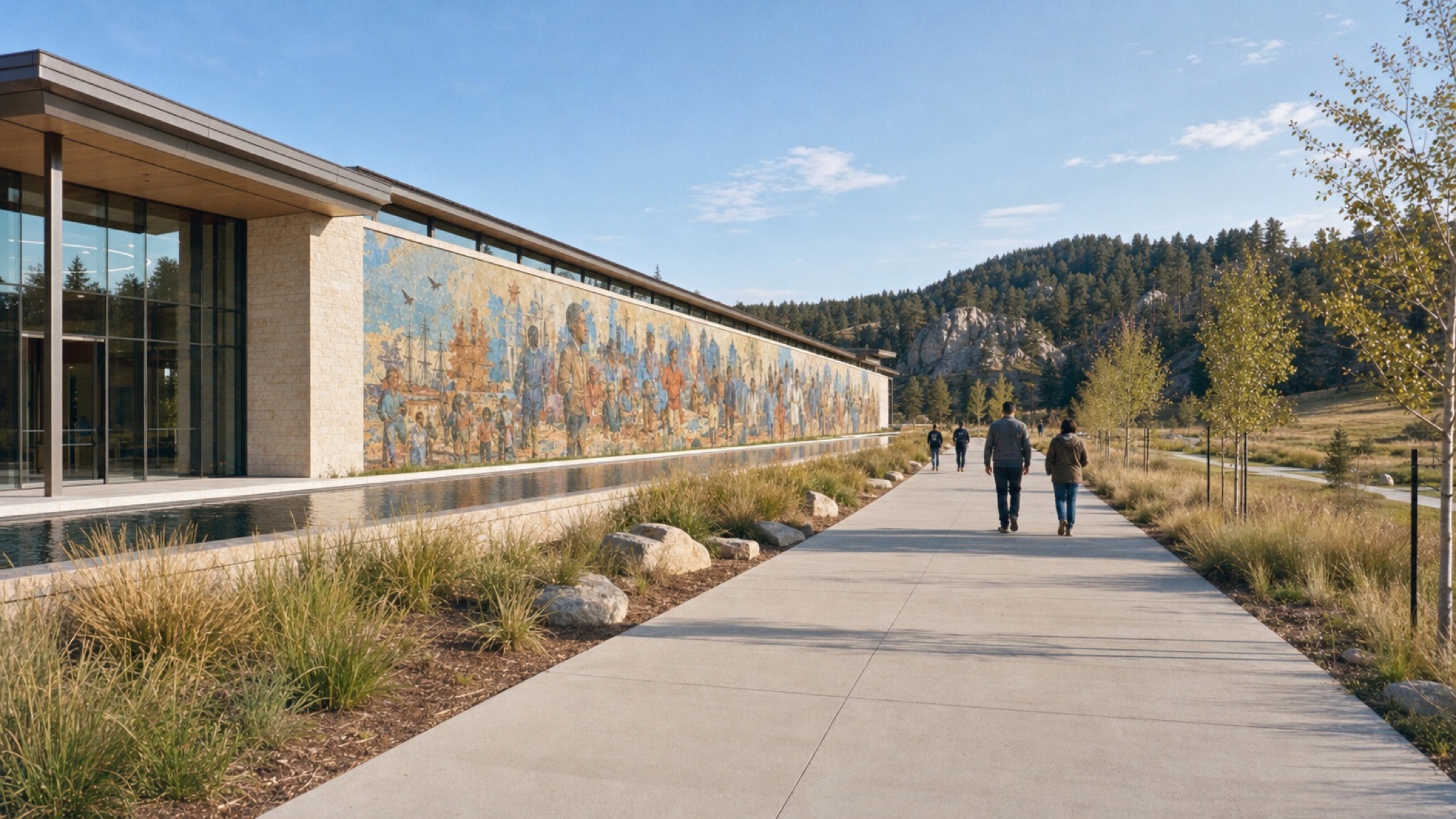
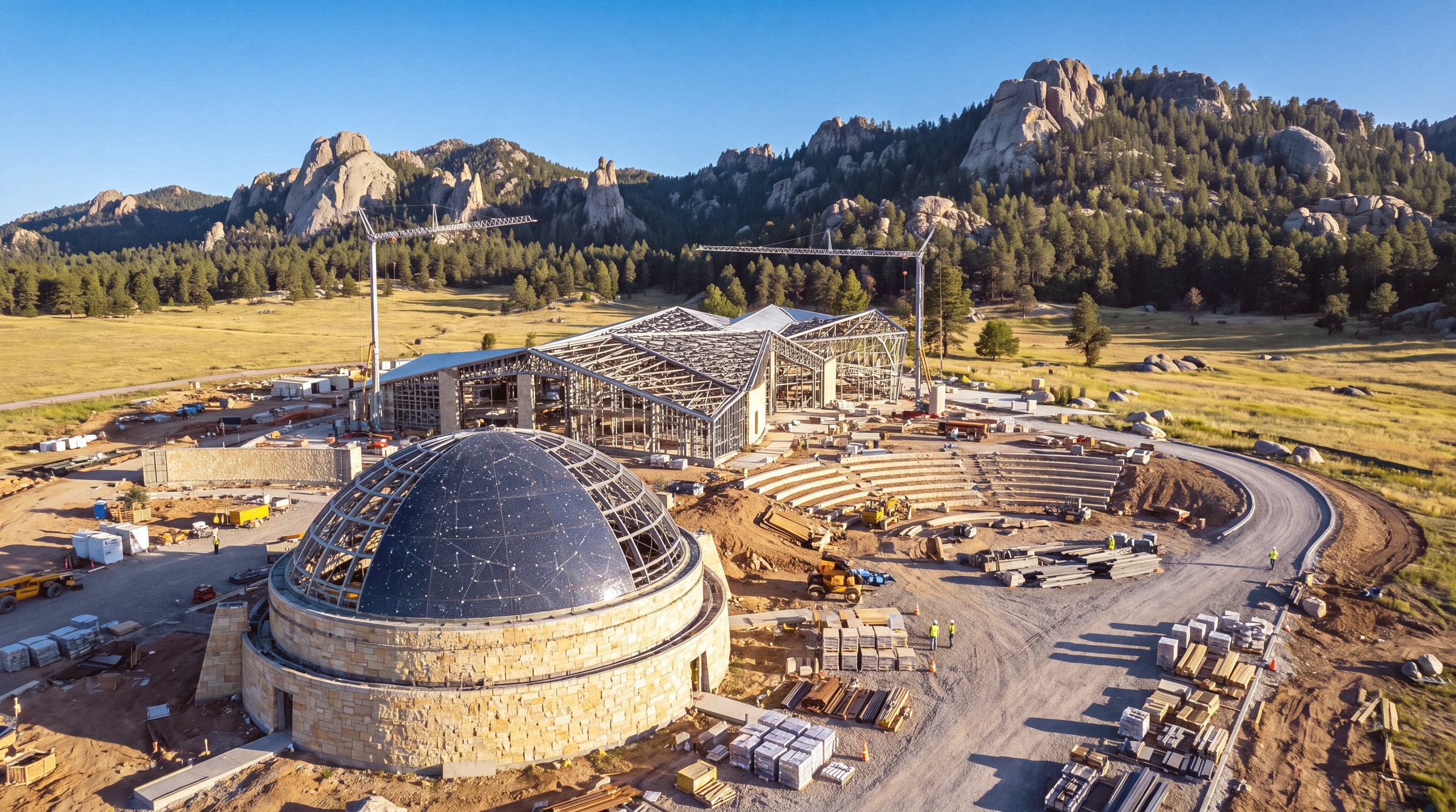
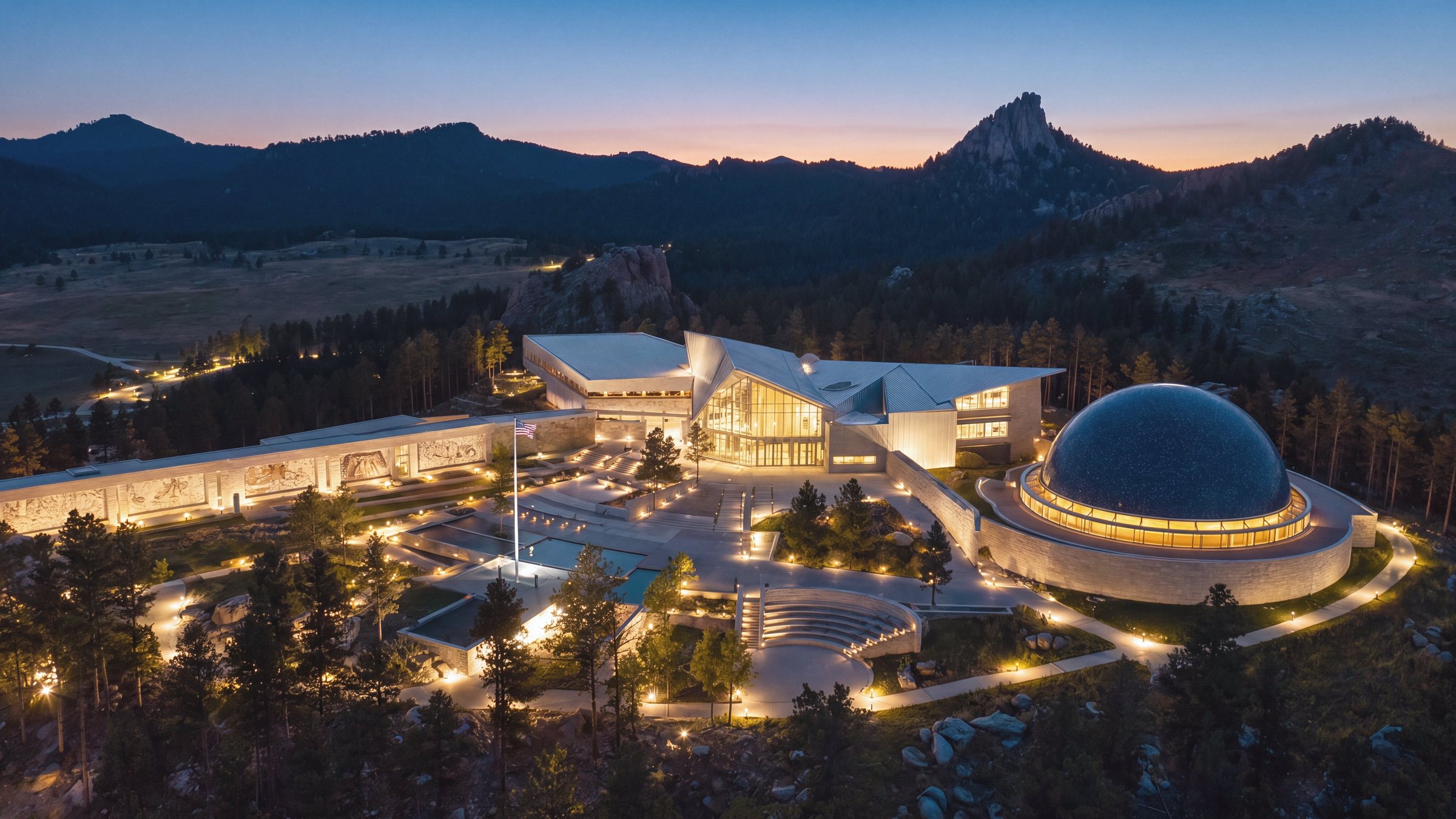
Building and landscape will work as one. The Cultural Center will settle into the land, the amphitheater will gather visitors under the sky, and the planetarium will frame the night. Each design aims to honor the land, conserve it and earn its place there.
What the site must offer
Natural grandeur
Terrain that inspires reflection: stone, sky, water or forest of clear character.
What the site must offer
A cultural welcome
A region whose communities support the memorial’s mission of healing and unity.
What the site must offer
Long-term stewardship
Land secured by gift, partnership or acquisition, and conserved in perpetuity.
What the site must offer
Year-round access
The roads, climate and services to welcome visitors from across the country.
The timeline
From a dream to a vision to a memorial.
Three decades from first idea to planned groundbreaking.
“The specific form follows the site, not the other way around.”
From the memorial’s site vision
Gallery
Support the memorial
Help write the next milestone.
The next milestone is groundbreaking. Your gift brings it closer.